GUIDE / Buying tires
Choosing tires for Southern California driving
Kwik Tire, Montclair · Updated · 6 min read
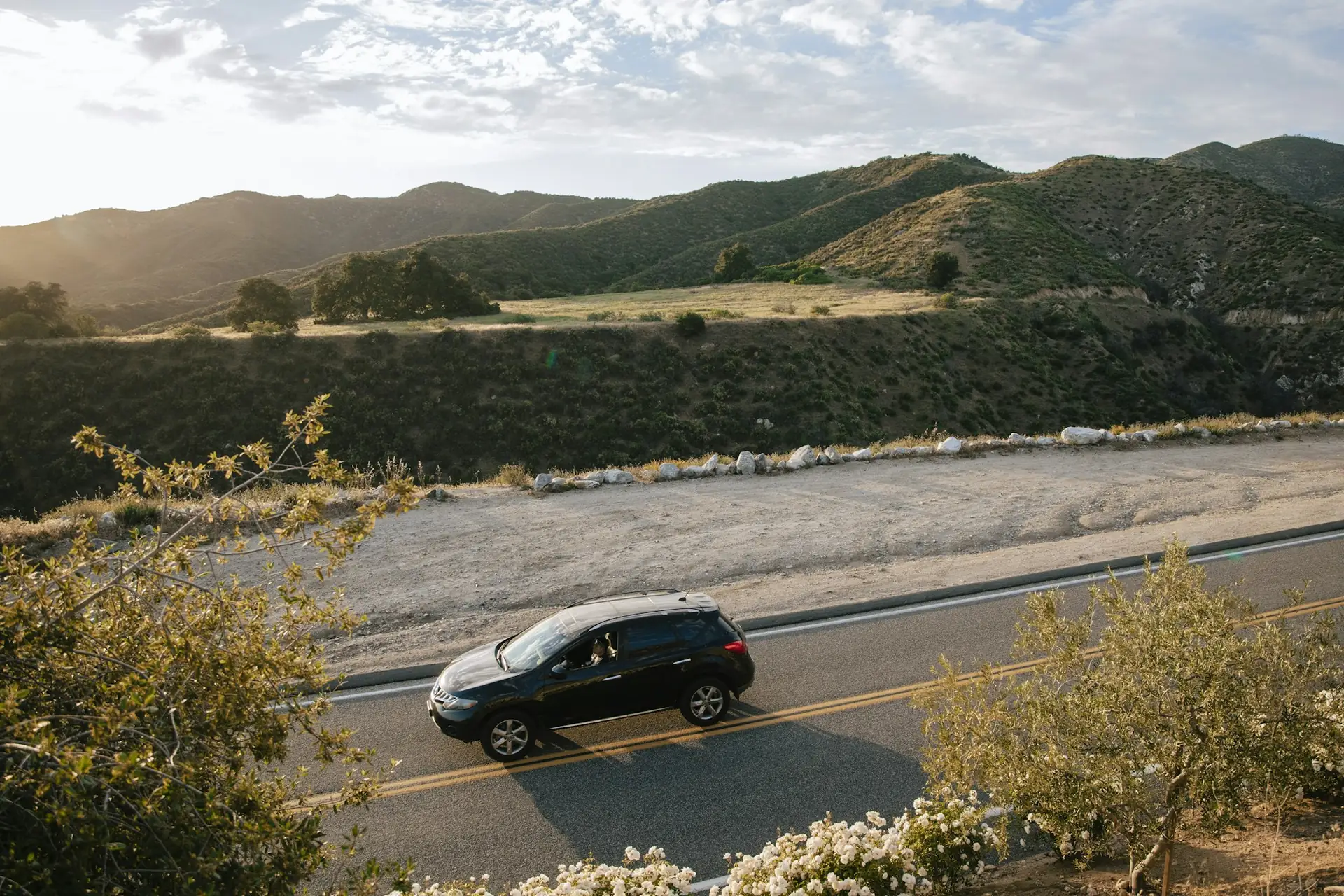
For most Inland Empire commuters, a quality all-season or highway all-season tire in the size and load rating on the door placard is the right choice, with a strong wet traction grade because rain here is rare but slick when it comes. Choose all-terrain or LT tires only if you leave the pavement, tow or haul, and plan on mountain-snowflake winter tires or chains for snow trips.
Southern California is easy on tires in some ways and hard on them in others. No road salt. No months of snow. Instead: long freeway miles, summer heat, coarse concrete, and a rainy season that shows up all at once. Here's how to match tire types to the way people actually drive out here, on the 10, the 60, the 210 and the 15.
Start with what your vehicle needs
Before tread patterns and brands, there's the spec. The tire placard on the driver's door gives the size and pressures, and the owner's manual covers load and speed requirements. Replacements should be the original size or an approved option, never carry less load than the original, and match or exceed the speed rating if the vehicle calls for one. How to read a tire size explains each mark. Inside those limits, you get to choose the type.
The main tire types
| Type | Built for | Good fit if you |
|---|---|---|
| All-season (touring) | Year-round comfort and wet grip, limited snow | Commute in a sedan, minivan or crossover |
| Highway all-season | Long tread life and a quiet ride for trucks and SUVs on pavement | Drive a truck or SUV that rarely leaves the road |
| All-terrain | Mixed pavement and dirt, tougher tread | Go off pavement regularly or work on job sites |
| Performance | Grip and steering response, usually at the cost of tread life | Drive a sports car or a car that came on them |
| Winter (mountain snowflake) | Snow and ice | Spend real time in the mountains in winter |
All-season and highway all-season
This is where most local drivers belong. A commute from Upland or Rancho Cucamonga to Los Angeles or Orange County is freeway miles, stop-and-go, and the occasional wet morning. A good all-season handles all of it. Highway all-season tires are the truck and SUV version, built for long tread life and a quieter ride on pavement. Most all-seasons carry the M+S mark, which means limited mud and snow capability. Limited is the right word.
All-terrain
All-terrains have bigger tread blocks and tougher construction for dirt roads, desert washes and job sites. If you spend weekends out past the Cajon Pass or work off pavement, they earn their place. If your truck never leaves the road, a highway tire is built for the driving you actually do. On 4WD and AWD vehicles, don't mix all-terrains on one axle and all-seasons on the other. Run the same type on all four.
Performance
Performance tires trade tread life for grip and steering response. If your car came with them, its suspension and handling were developed around them. Switching to a touring all-season is possible, but the car will feel different, and you still need to meet the speed rating on your placard.
Heat and freeway miles
Valley summers here average in the low 90s in July and August, and a lot of driving happens at freeway speed. The tire industry warns that underinflation and overloading cause excessive heat build-up and internal damage, and that underinflation gets more dangerous with high speed, heavy loads, long distances and high outside temperatures. So pick tires with at least the load capacity your vehicle calls for, especially if you load up an SUV for trips, and keep them at placard pressure.
The UTQG temperature grade on the sidewall (A, B or C) rates a tire's resistance to heat build-up in a lab test, with A the highest. It assumes the tire is properly inflated and not overloaded. Our guide to tire pressure in Inland Empire heat covers the rest.
Rain is rare, so wet grip matters more
That sounds backward. At the Pomona Fairplex weather station, the long-term average is about 17 inches of rain a year, and about 90 percent of it falls from November through April. June through August averages under a quarter inch combined. For months, nobody tests their tires on a wet road.
Then the first storm arrives. The tire industry notes that rain after a dry spell reduces traction further, because oil and other residue have collected on the road. Worn tires make it worse. Shallow grooves can't clear water, and the tire is quicker to hydroplane. Consumer Reports recommends starting to shop for tires at 4/32 of tread, before braking and wet traction drop off significantly.
What to look for:
- A UTQG traction grade of A or AA. It's based on straight-line braking on wet pavement.
- Tread depth well above 4/32 going into the rainy season.
- Tread designed for wet grip. Ask about it when you're comparing models.
Mountain trips and snow
Mt. Baldy is right above us, and Big Bear, Lake Arrowhead and Wrightwood are an easy drive. Winter storms bring chain controls to mountain highways. Caltrans uses three levels:
- R1: chains required, except passenger vehicles and light trucks under 6,000 pounds gross weight with snow tires on at least two drive wheels. Vehicles using snow tires must still carry chains.
- R2: chains or traction devices required, except four-wheel and all-wheel drive vehicles with snow-tread tires on all four wheels. Those vehicles must still carry traction devices.
- R3: chains or traction devices required on all vehicles, no exceptions.
Caltrans identifies snow-tread tires by the M+S marking (or MS, M/S, or MUD AND SNOW) on the sidewall. That's a low bar, and an M+S all-season is not a winter tire. The mountain snowflake symbol marks a tire that meets the industry definition for severe snow. If you live up the hill or drive to the snow often, real winter tires are worth it, and the tire industry says to put them on all four wheels, never only the front.
For a couple of snow trips a year, all-seasons plus chains sized for your tires is the usual answer. Practice putting them on in your driveway, not on the shoulder of Highway 330. Posted signs and officers at the checkpoint decide what's required on the day.
Trucks: P-metric or LT
Many half-ton pickups and SUVs come from the factory on passenger tires. Heavier pickups and vans built to tow usually need LT tires, which carry more load at higher pressures and are marked with a load range such as E. Go by what the placard and owner's manual call for, and by what you haul. If you tow a trailer up the Cajon Pass in August, load capacity is not where you save. And never mix passenger and LT tires on the same vehicle.
Brands
We carry major brands, including Michelin and Cooper. The right tire for your car depends on your size, your driving and your budget, and we'd rather talk it through than point you at one model sight unseen.
Ready to compare? Search by size on our tire page, or call (909) 321-2191 and tell us what you drive and where. If you're not sure your current tires have another season in them, book a tire inspection at our Montclair shop first. New tires go on with mount and balance, and an alignment keeps them wearing evenly.
Want a second set of eyes? Book tire inspection.
Book online in a minute, or call (909) 321-2191. 5483 Moreno Street, Montclair.
More questions
Do I need winter tires in the Inland Empire?
Not for driving in the valley. If you head into the mountains often in winter, mountain-snowflake winter tires on all four wheels are worth considering, and anyone driving up in a storm should carry chains.
Are all-terrain tires good for daily commuting?
They work, but they're built for dirt and rough roads. If your truck stays on pavement, a highway all-season fits the job better.
What does M+S mean on a tire?
It means the tire has limited mud and snow capability, and it's common on all-season tires. Caltrans treats M+S tires as snow tires for chain control, but they aren't winter tires.
Should I put LT tires on my half-ton truck?
Only if the placard calls for them or you regularly tow or haul heavy loads. Many half-tons come on passenger tires from the factory, and the two types should never be mixed on one vehicle.
Keep reading
6 MIN / Buying tires
How to read a tire size
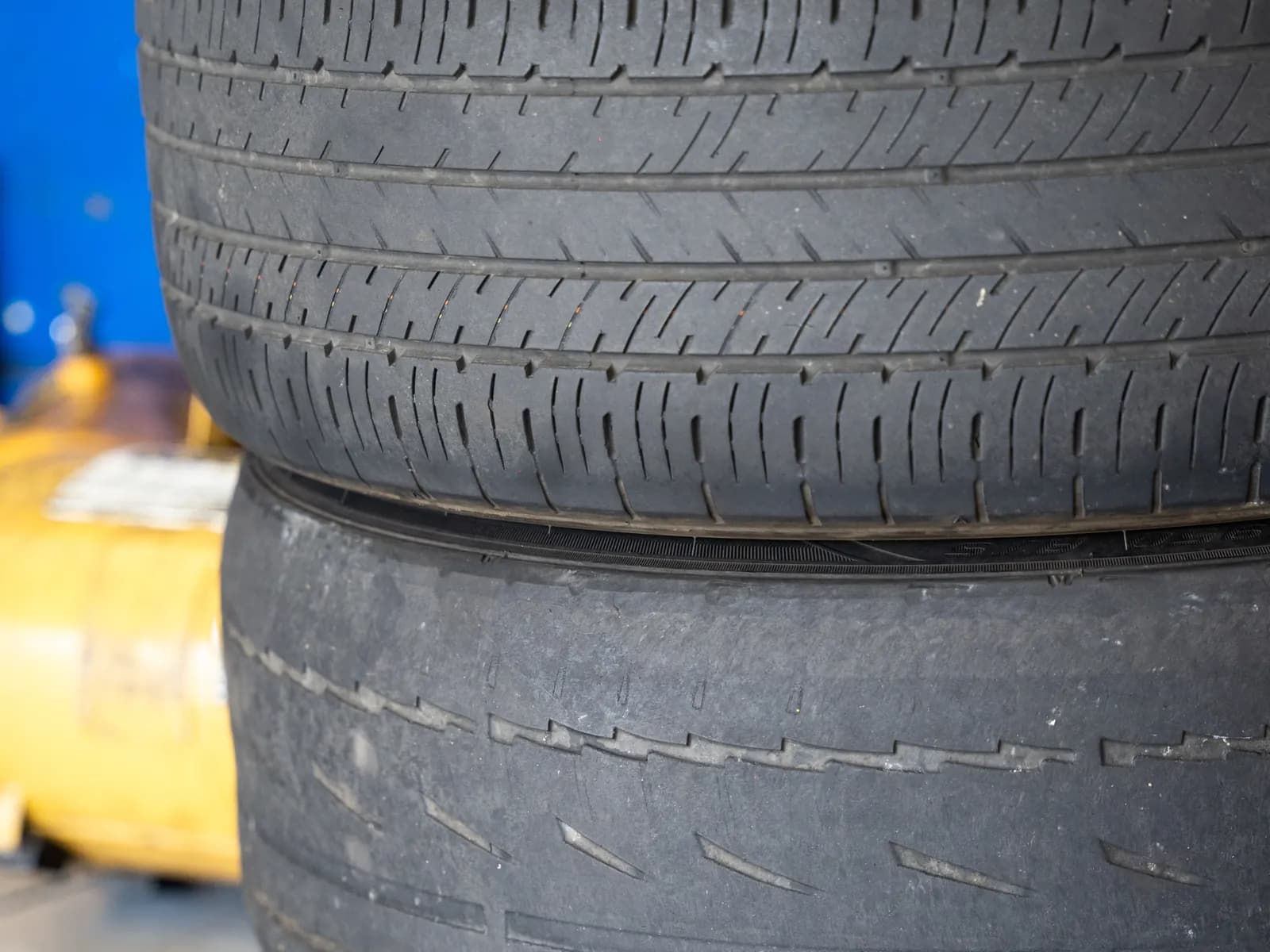
What every part of a tire size like 225/65R17 102H means: width, aspect ratio, wheel size, load index, speed rating and the DOT date code.
5 MIN / Buying tires
Used take-off tires: what to check before you buy
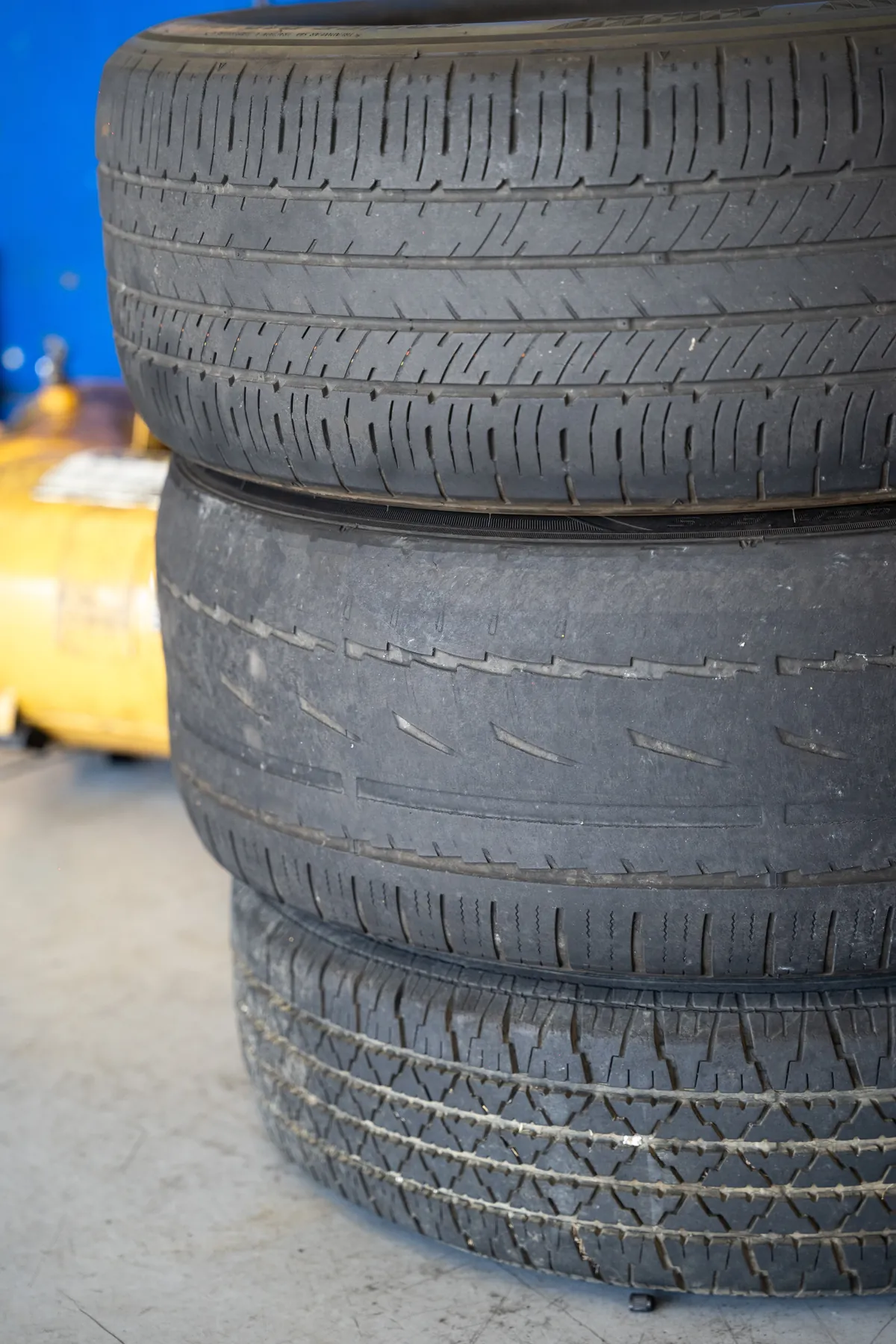
What take-off tires are, how to check a used tire's age, tread, repairs and damage, matching it across an axle, and when buying new makes more sense.
5 MIN / Buying tires
Buying new tires: what to expect at the shop
What a proper new tire install includes: sizing, TPMS service, mounting, balancing, torque, pressures, the alignment check and the 500-mile break-in.