
GUIDE / Buying tires
Used take-off tires: what to check before you buy
Kwik Tire, Montclair · Updated · 5 min read
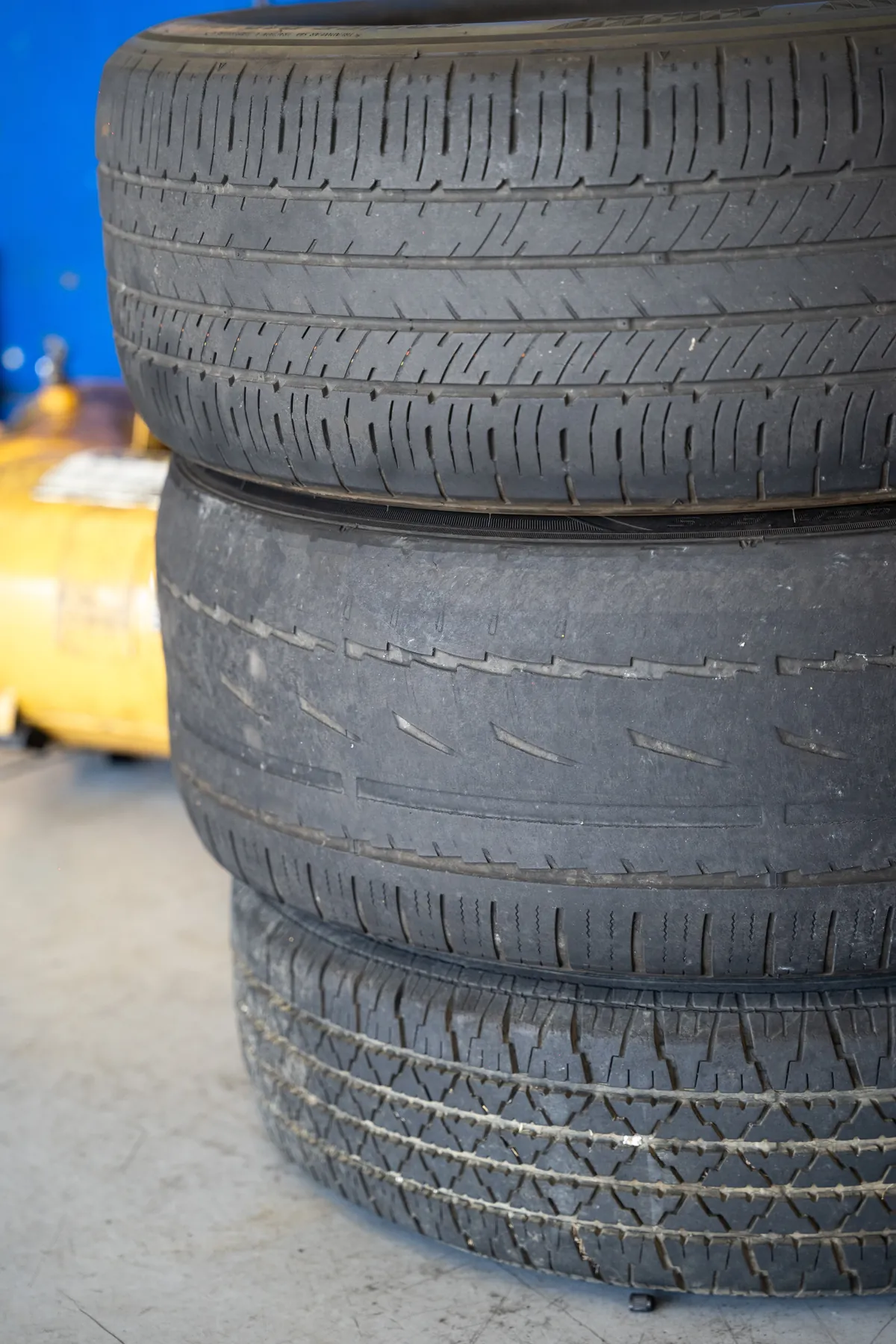
Take-off tires are tires removed from a vehicle with most of their tread left, often from a new truck or car whose owner switched tires or wheels right away. Before buying any used tire, check its DOT date, measure the tread, look for repairs and damage inside and out, and make sure it matches the other tire on the same axle.
Not every used tire is worn out. Some come off vehicles with most of their tread left, because the owner wanted something else. Those are take-offs. Bought carefully, a take-off can be a sensible way to replace one damaged tire or keep a second car on the road without buying a full new set. Bought blind, a used tire can be a hidden problem.
Where take-off tires come from
The classic take-off is a set of factory tires pulled from a new vehicle. Someone drives a new pickup off the lot and goes straight to bigger wheels and all-terrains, and the factory highway tires come off with very few miles on them. Others come from vehicles that got a wheel and tire upgrade later in life.
That's different from a tire pulled because it was worn out, damaged or old. Those aren't take-offs, and they don't belong on a car.
The tire industry's view on used tires
USTMA, the trade group for U.S. tire makers, is cautious about used tires, and it explains why. Once a tire has been mounted and driven, it's considered used. If its history of use, maintenance or storage is unknown, it may have damage that eventually leads to failure. Some of that damage isn't visible from outside. An improper repair, or an inner liner chewed up from running low, only shows when the tire is off the wheel and someone looks inside.
So USTMA's guidance is that a qualified tire professional inspect a used tire inside and out before it goes on a vehicle. That's the standard to ask about wherever you buy.
What to check on any used tire
Age
Read the last four digits of the DOT code. 0323 means the third week of 2023. A take-off can have low miles and still be old if it sat around for years. Michelin's guidance is to replace tires ten years after manufacture regardless of tread, with yearly professional inspections after five years in service. A used tire that's already seven or eight years old has little time left on that clock, however deep the tread looks.
Tread depth
Measure it in several grooves. New all-season passenger tires typically start around 9/32 to 11/32. A take-off at 9/32 is close to new. One at 5/32 has some life left, but it reaches 4/32, where Consumer Reports says to start shopping for replacements, before long. Look for even wear across the tread too. A used tire with one edge worn tells you about the alignment of the car it came off.
Repairs
A proper repair, done from the inside with a plug and patch combination, isn't automatically a deal-breaker. A plug pushed in from the outside is. USTMA says a tire with an improper repair should be scrapped, not repaired again. Ask whether the tire has been repaired, and where.
Conditions that rule a tire out
USTMA's list of conditions that should keep a used tire off the road includes:
- Tread at 2/32 or less at any point
- Bulges or areas of fast, irregular wear that can mean internal separation
- Cuts, cracks, snags, impact damage or exposed cord
- Ozone cracking or weather checking
- Signs of being run flat or underinflated, like inner liner damage or scuffing on the upper sidewall
- Any inner liner or bead damage
- A defaced or removed DOT code
- Evidence of tire sealant inside
- Being part of a recall
- Being mounted on a bent, cracked or damaged wheel
Matching across the axle
Tires on the same axle should match: same size, same type, and ideally the same model at a similar tread depth. Mismatched tires on one axle can make a car handle unevenly. On an all-wheel-drive or four-wheel-drive vehicle the bar is higher. All four should be the same size, and USTMA warns that even small differences in outside diameter, which is what different tread depths create, can damage the drivetrain. Check your owner's manual before mixing anything on an AWD vehicle.
If you're adding two tires that have more tread than the pair you're keeping, the deeper pair goes on the rear axle. That's industry guidance for wet-road stability on every drivetrain, explained in when to replace tires.
When a used take-off makes sense
- Replacing one damaged tire on a partly worn set. A brand-new tire at full depth would stand out from the other three. A take-off at similar depth can be a closer match.
- A second car or work truck that doesn't see many miles.
- A matching spare for a set you already have.
When to buy new instead
- You drive a lot of highway miles, tow, or carry heavy loads.
- You need a full set and the used options are mismatched or already several years old.
- Your vehicle calls for a specific speed rating, load index or run-flat construction and the used options don't meet it.
- You plan to keep the tires for years. Age counts from the DOT date, not the day you bought them.
Compare both before you decide. You can search new tires by size on our tire page, and how to read a tire size covers the load and speed markings to match.
Used take-offs at Kwik Tire
We carry some used take-off tires in limited sizes, and what's on hand changes. Call (909) 321-2191 with your size before you drive over, or see our used tires page. Ask to see the DOT date and a tread depth reading on any used tire, ours included.
Already have a used tire and want a second opinion before it goes on the car? Book a tire inspection. If you bought used tires somewhere else, book mount and balance and tell us the size and how many you're bringing. If a tire doesn't look safe to mount, we'll tell you before it goes on.
Want a second set of eyes? Book tire inspection.
Book online in a minute, or call (909) 321-2191. 5483 Moreno Street, Montclair.
More questions
How old is too old for a used tire?
Michelin's guidance is ten years from the manufacture date at most, with yearly inspections after five years in service. A used tire that's already several years old has less life left, whatever its tread looks like.
Are take-off tires the same as new tires?
No. Once a tire has been mounted and driven, it's considered used, even with very few miles. A low-mileage take-off can be close to new in tread depth, but it still needs checking for age, repairs and damage.
Can I run one used tire with three new ones?
It's not ideal. Tires on the same axle should match in size, type and tread depth as closely as possible, and AWD vehicles are especially sensitive to mismatched diameters.
Do used tires need to be balanced?
Yes. Any tire mounted on a wheel should be balanced, used or new.
Keep reading
6 MIN / Buying tires
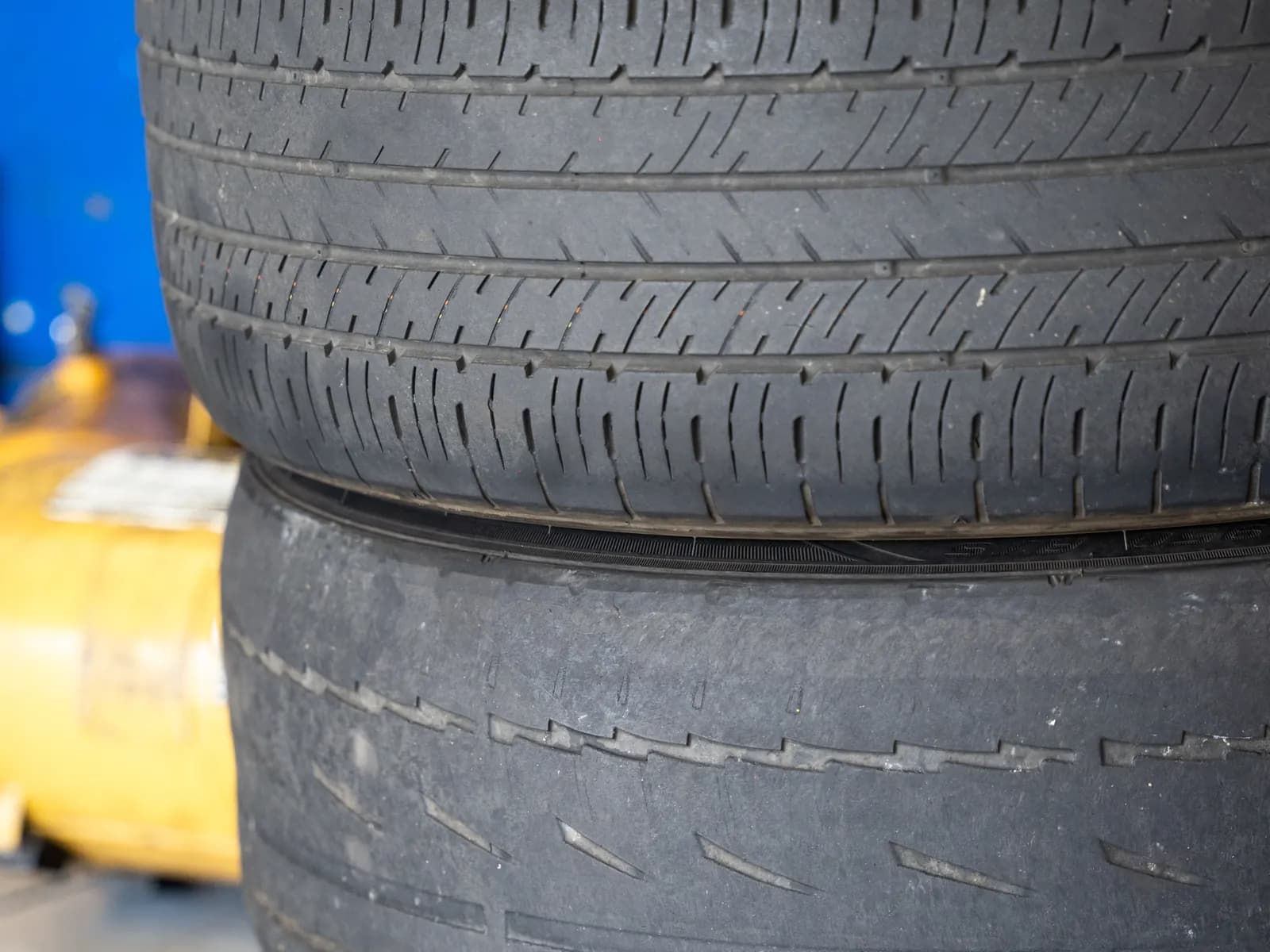
How to read a tire size
What every part of a tire size like 225/65R17 102H means: width, aspect ratio, wheel size, load index, speed rating and the DOT date code.
6 MIN / Buying tires
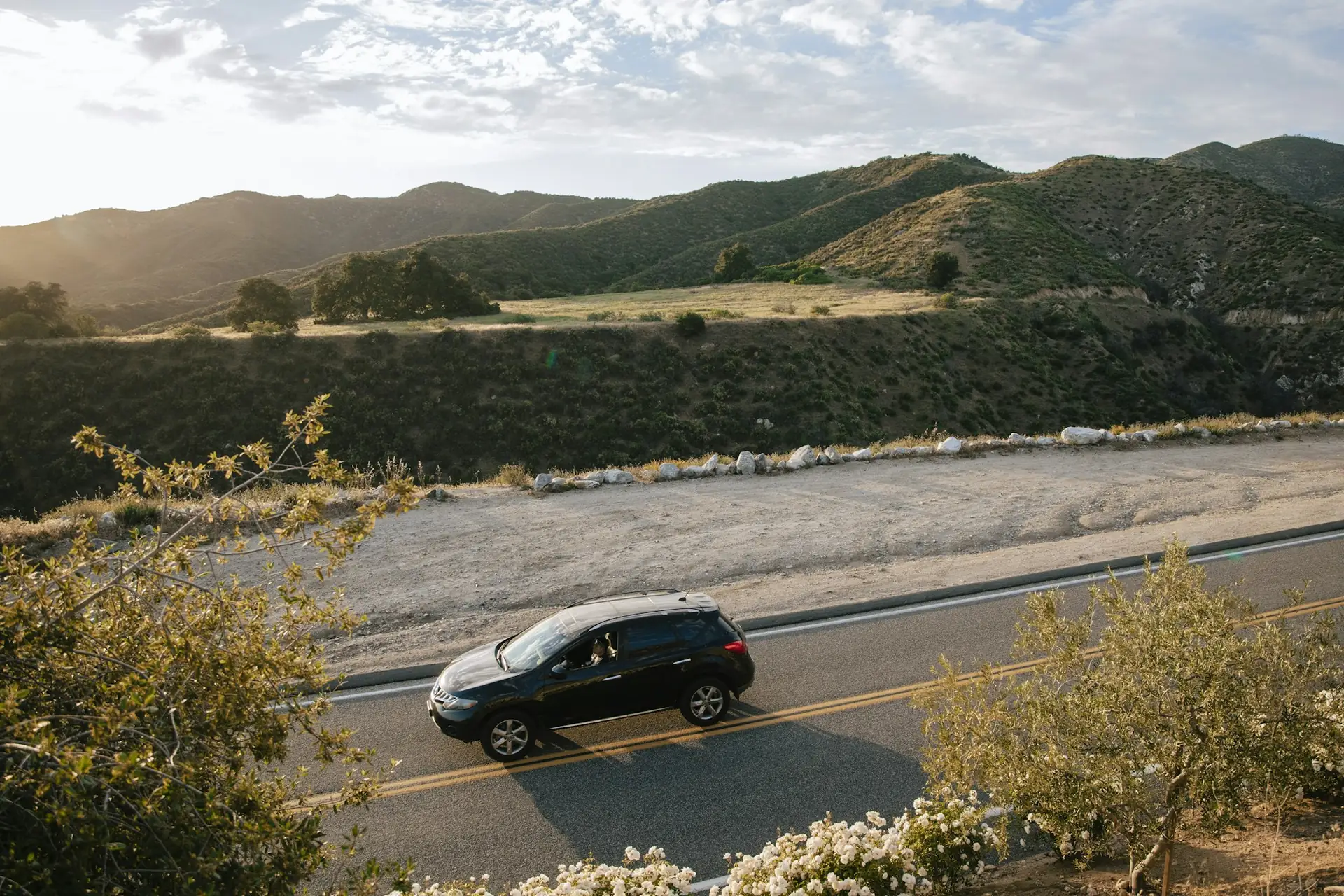
Choosing tires for Southern California driving
All-season, highway, all-terrain, performance or winter: matching tire type to Inland Empire commutes, summer heat, rare but slick rain and mountain trips.
5 MIN / Buying tires
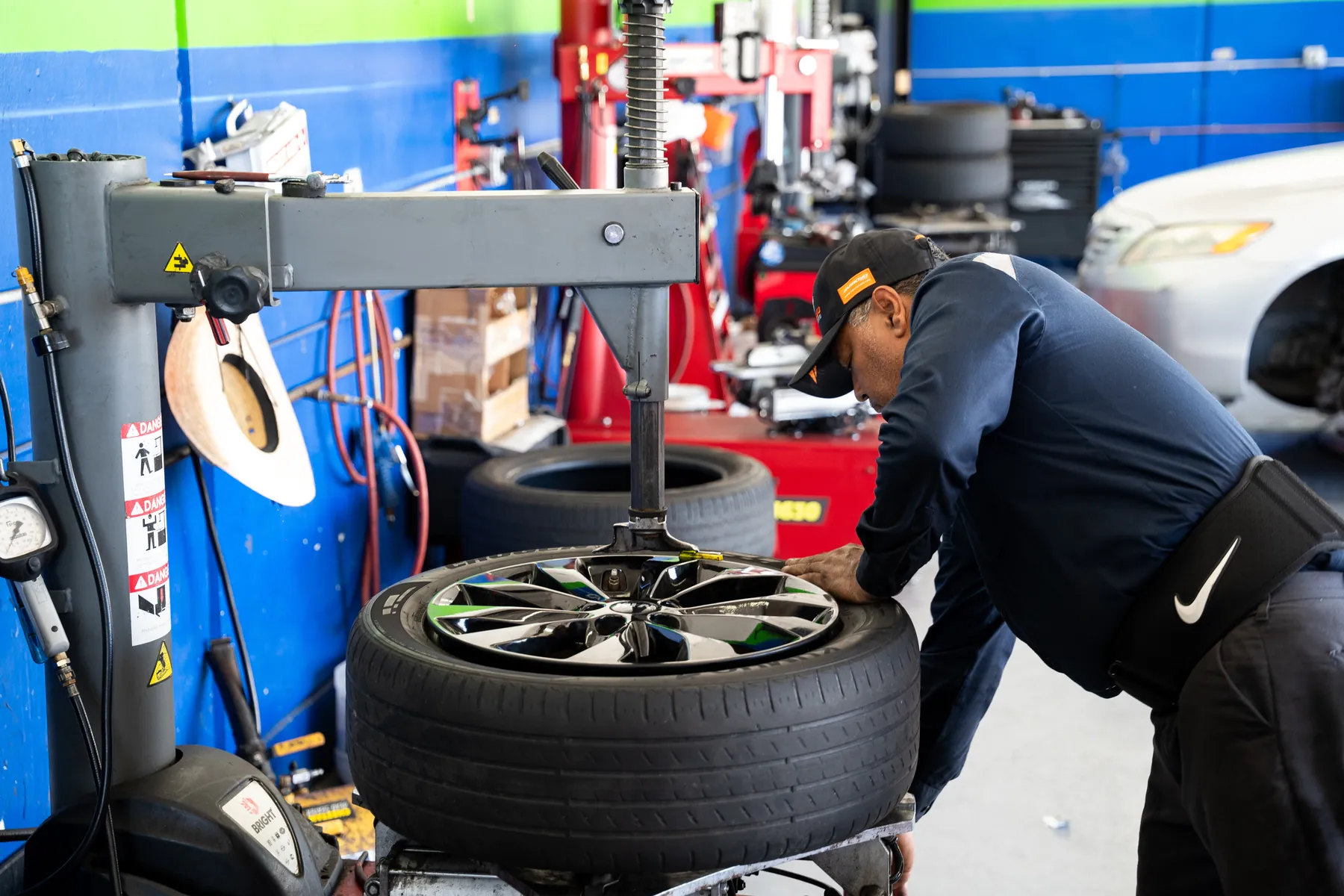
Buying new tires: what to expect at the shop
What a proper new tire install includes: sizing, TPMS service, mounting, balancing, torque, pressures, the alignment check and the 500-mile break-in.